
Eric Kandel won a prize in physiology for his research on the physiological basis of memory storage in neurons. His research has provided a deep insight into the molecular mechanisms that underlie memory.
His research owes its success to a single organism known as Aplysia (Sea slugs). Aplysia s unique nervous system makes it the perfect candidate for experiments.
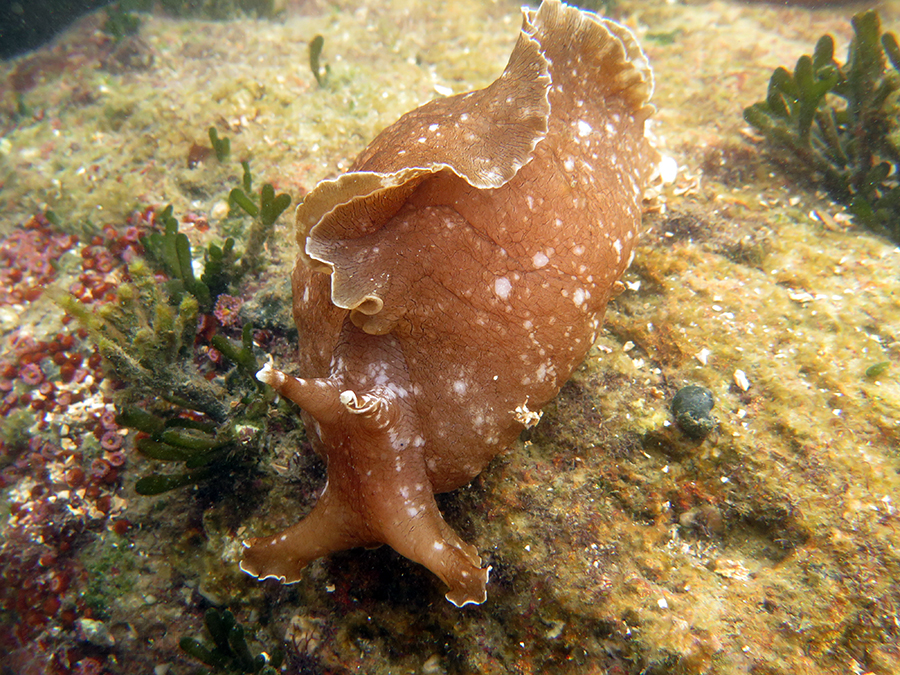
Its nervous system composes of 9 ganglion with only 10,000 neurons along with the largest neurons in the animal kingdoms. This makes them the model species for studying neurons and neural circuits.
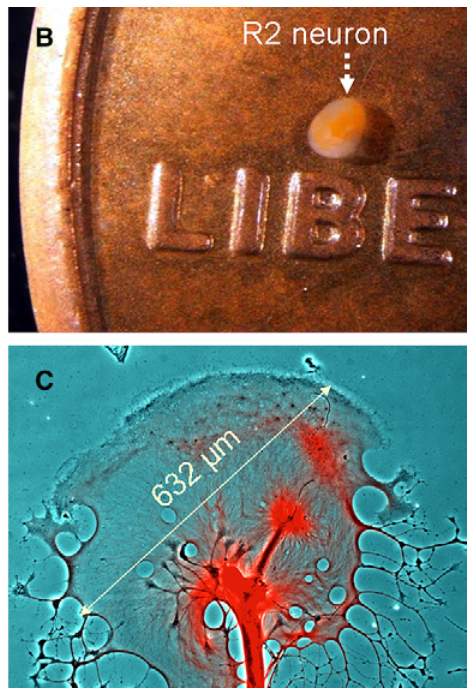
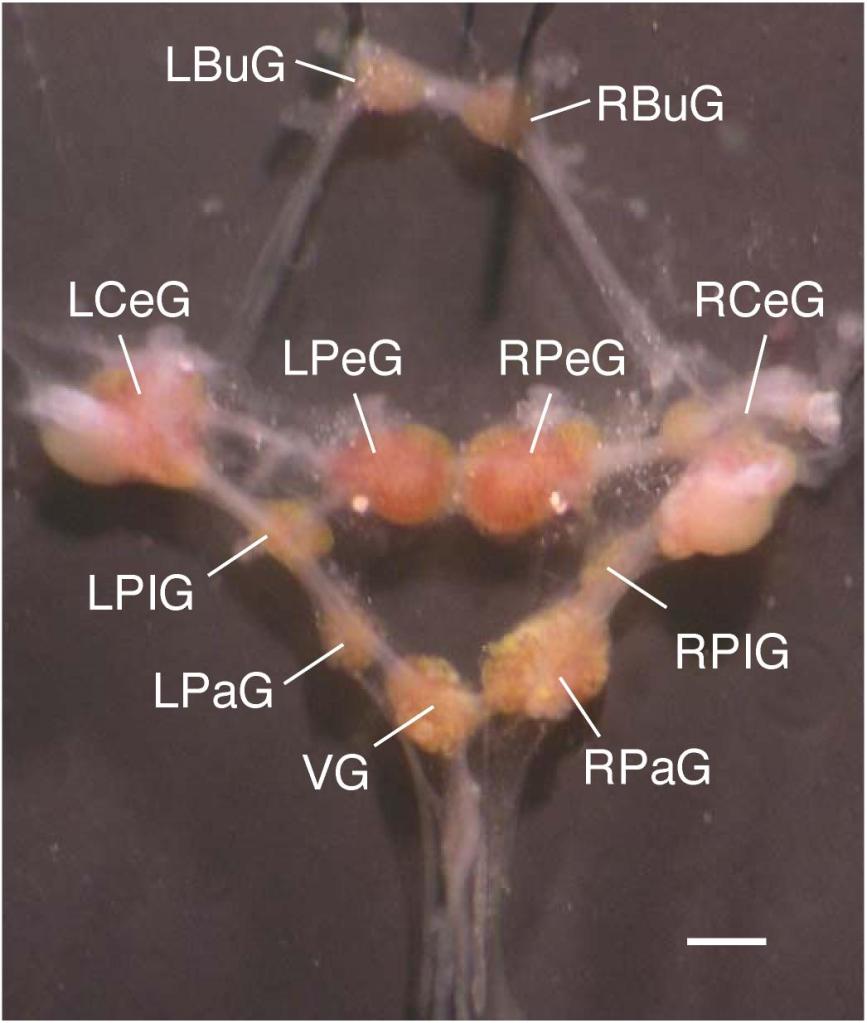
Now on to Kandel’s research –
His finding was that the formation of long term memories requires the strengthening of connections between neurons, a process known as long term potentiation(LTP). He also discovered how an enzyme – Protein kinase A modifies proteins( channels, receptors _ by adding a phosphate molecule. This leads to changes in the strength of the synapses and so memory.
Long term potentiation is the process in which repeated activation of a neuron (and so its synapse) releases cAMP which in turn activates Protein kinase A – cascades processes that adds channels to the plasma membrane of the synapse, hence increasing its sensitivity and efficiency.
This is responsible for the term change but it also triggers on changes in the growth gene causing the axons of the stimulated neurons to grow and strengthen – Forming a permanent circuit which is the memory.
I am omitting many facets of this process including the main genetic triggers and neurotransmitters for sake of brevity and generalization.

 Drmd
Drmd 
Leave a comment